How to Help a Loved One with Dementia Stay Active at Home
Simple, familiar activities, short sessions and a calm routine can help someone living with dementia keep moving. Practical tips for families and carers.

Joe Nachar
Exercise Physiologist
2 min read

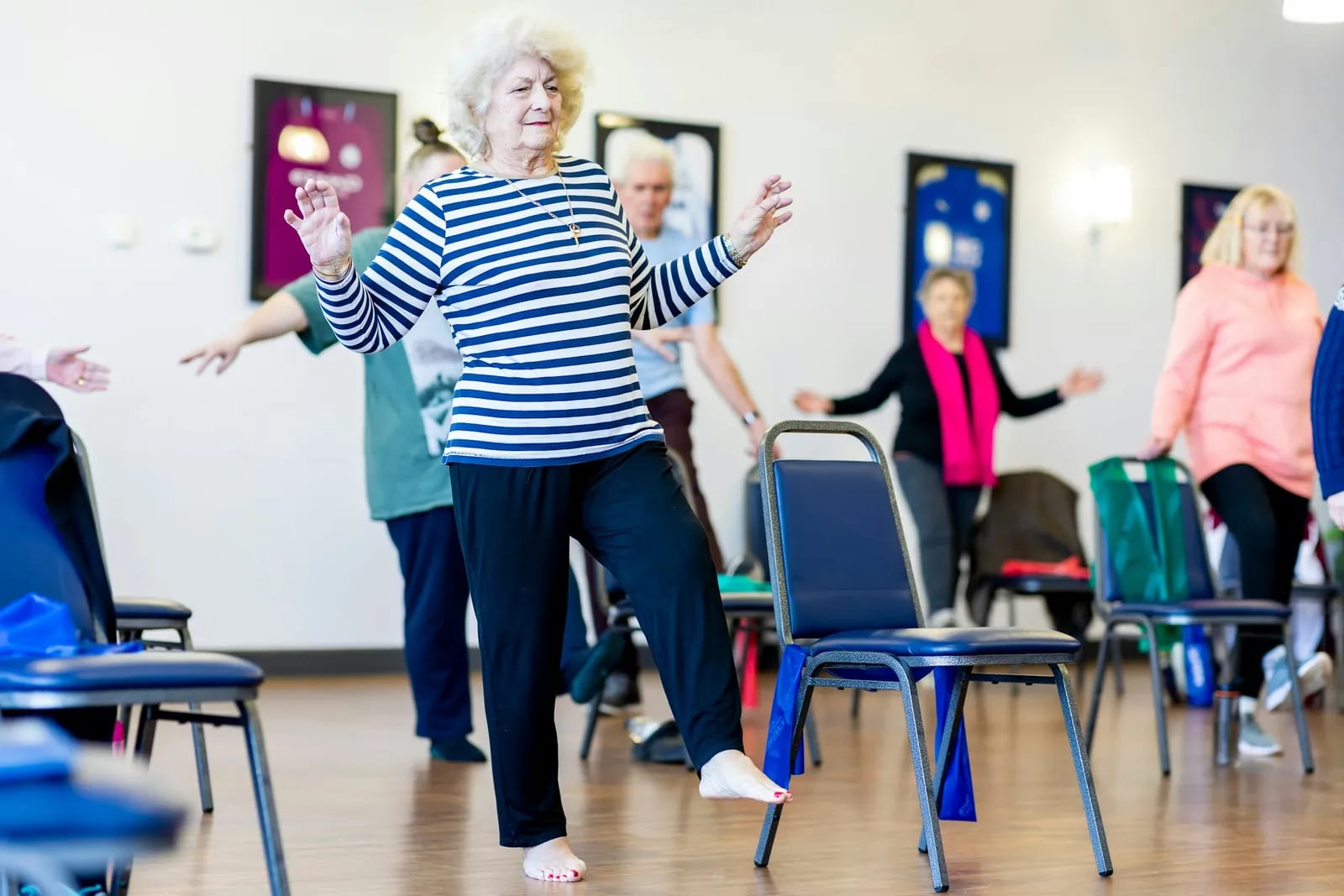
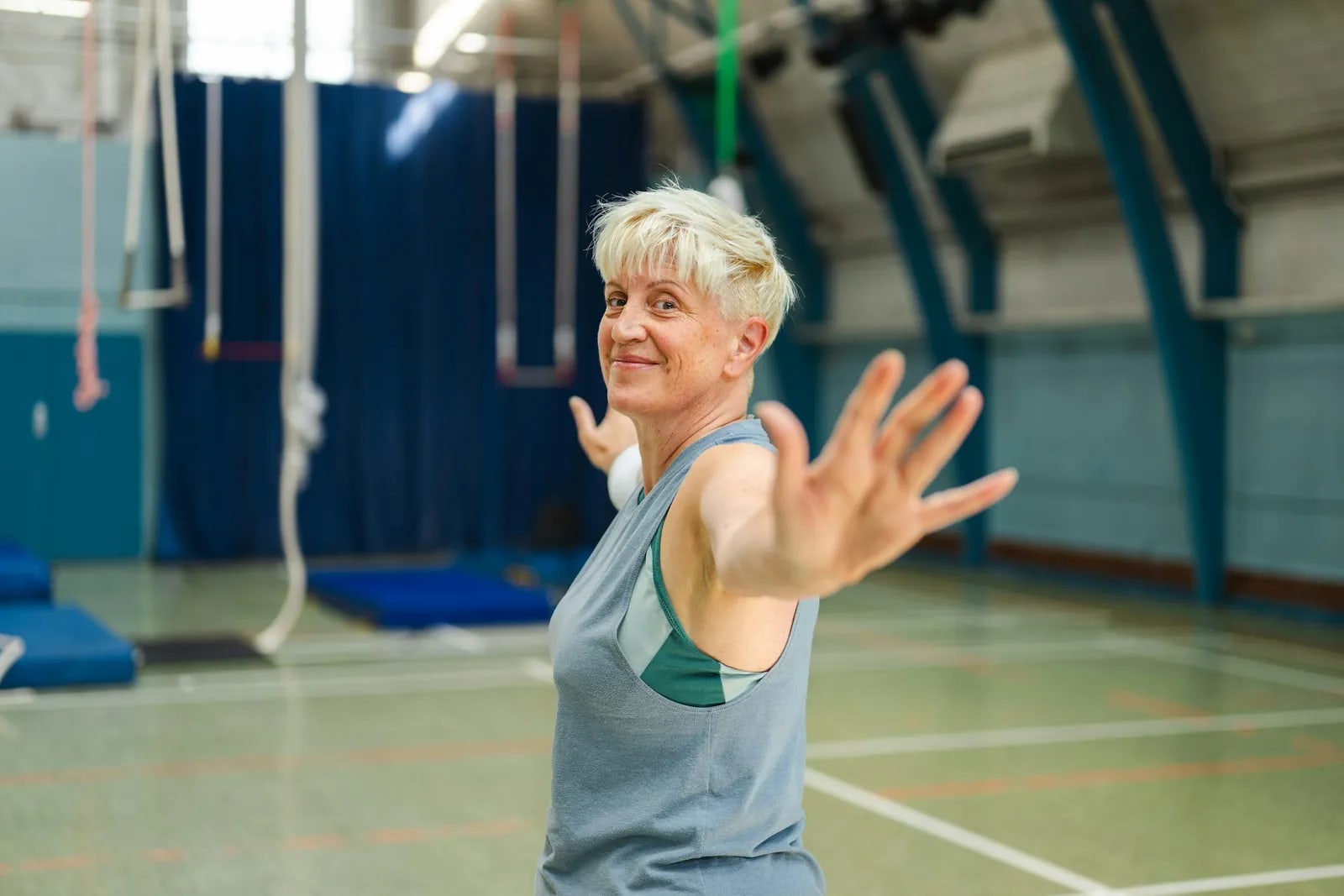
Staying active can help someone living with dementia keep their strength, balance and independence, and it can be a lovely way to spend time together. You don't need special equipment or long sessions. Small, regular bits of movement add up.
Keep it familiar and enjoyable
Choose activities linked to things the person has always enjoyed. Someone who loved gardening may enjoy watering plants or raking leaves. Someone who loved dancing may enjoy moving to their favourite music. Familiar activities feel more natural and less stressful.
Simple ideas to try
- Go for a walk together, on a familiar route, at a comfortable pace.
- Move to music: music is relaxing and can bring back fond memories.
- Practise standing up from a chair a few times, slowly, with a stable chair.
- Garden: watering, weeding or potting plants.
- Help around the home: folding washing, setting the table or carrying light items.
- Throw and catch a soft ball, seated or standing.
Tips that make it easier
- Give one instruction at a time, and show the movement as well as saying it.
- Keep sessions short. Five or ten minutes is fine, and you can repeat it later in the day.
- Make it part of the routine, at the same time each day, so it becomes familiar.
- Choose the best time of day, when the person usually has the most energy and is most settled.
- Focus on enjoyment, not performance. Praise the effort and don't correct every detail.
- If they don't feel like it, don't push. Try again later, or try a different activity.
Keep it safe
- Create a safe, comfortable space with clear floors and good lighting.
- Use a stable chair with arms, and keep a bench or rail nearby for balance.
- Choose well-fitting, non-slip shoes.
- Have water handy and take rest breaks.
- Stop if there is chest pain, trouble breathing, dizziness or faintness, and seek medical advice. For severe chest pain or shortness of breath, call triple zero (000).
When to ask for help
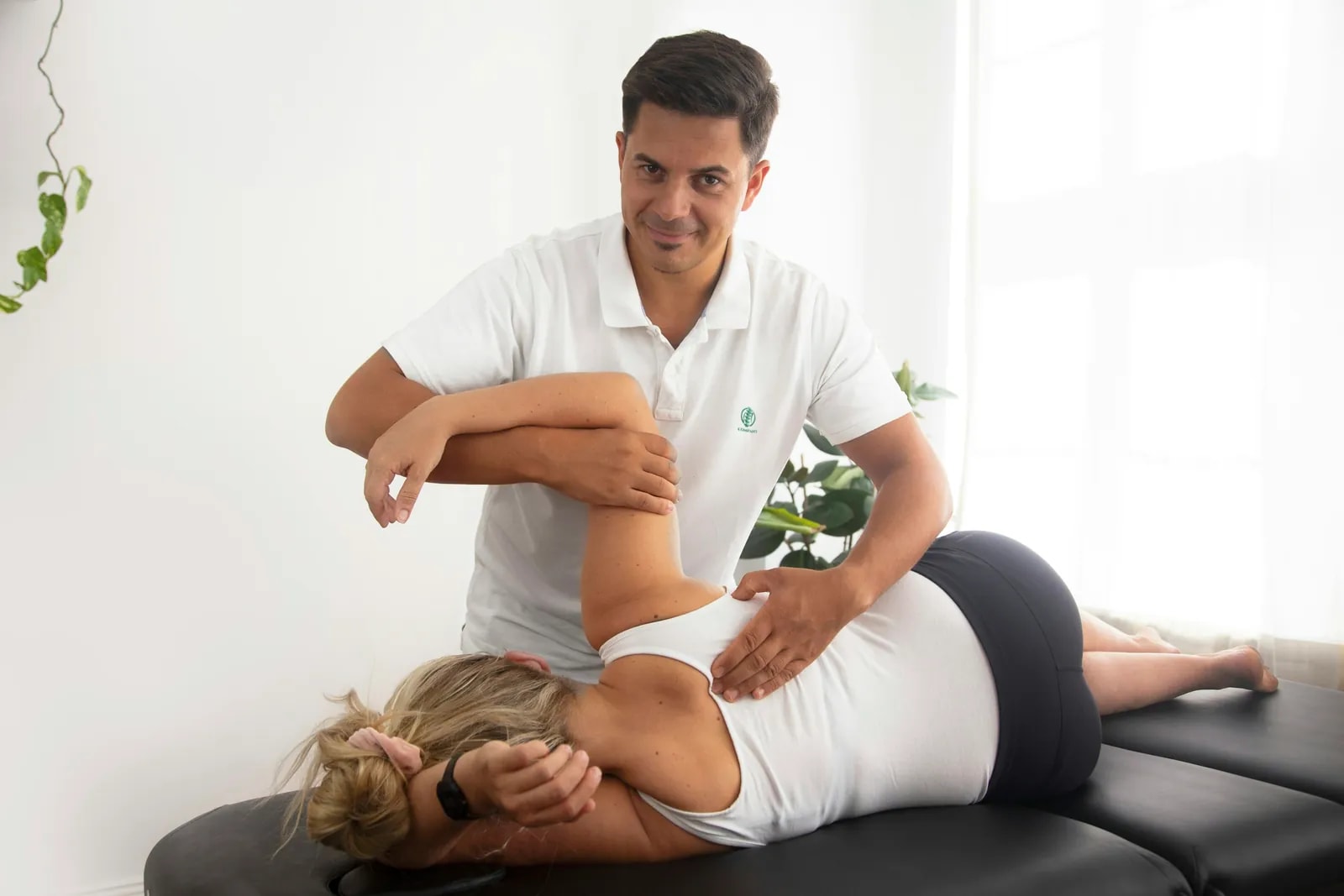
If you're not sure which exercises are safe, if walking or balance is getting harder, or if there have been falls, an Exercise Physiologist can assess the person and show you exactly what to do at home.
How MedPhys can help
We also show families simple, safe exercises to do together between sessions. Our Memory & Movement Program is a one-to-one, 12-week exercise program for people living with Alzheimer's disease and other forms of dementia, supervised by our Exercise Physiologist at our Concord West clinic. Families and carers are welcome to be part of every step.
To find out more, book an initial assessment online or call us on 0422 785 958.
This article is general information only and is not medical advice. Talk to your GP or treating team about your own situation.
Sources: Dementia Australia, Activities for people with dementia; healthdirect, Physical activity guidelines for older people.