Reducing the Risk of Falls for Someone Living with Dementia
People living with dementia have a higher risk of falls. These practical steps, at home and through exercise, can help them stay steady and safe.

Joe Nachar
Exercise Physiologist
3 min read
Falls are a common worry for families of people living with dementia, and with good reason: people living with dementia have a higher risk of falling, and often more serious injuries when they do. The good news is that there are practical steps that can make a real difference.
Why falls are more likely
Dementia can affect balance, walking, attention and judgement. Someone may misjudge a step, forget their walking aid, or try to do too much at once. Other factors can add to the risk, such as low strength, some medicines, poor eyesight, dizziness on standing, low lighting, clutter and unsuitable footwear.
1. Keep strength and balance up
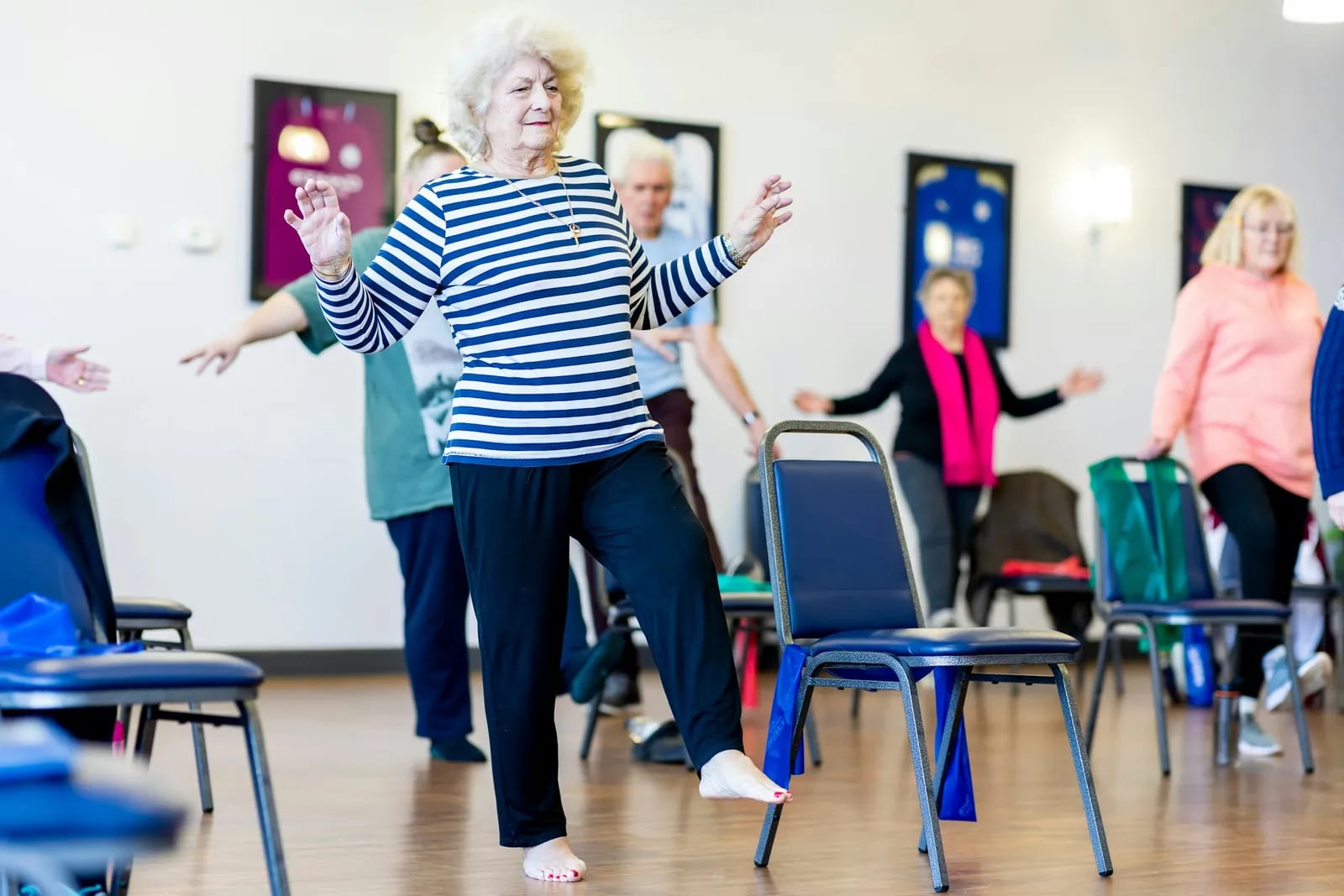
Strong legs and good balance are among the best protection against falls. Helpful exercises include:
- Standing up from a stable chair, slowly, a few times in a row
- Supported balance work, like shifting weight from foot to foot while holding a bench
- Step-ups or step taps on a low, stable step
- Regular walking at a comfortable pace
These are best done with supervision at first, so the exercises are set at the right level and done safely.
2. Make the home safer
- Clear walkways of clutter, loose rugs and cords.
- Use good lighting, including night lights between the bedroom and bathroom.
- Consider grab rails in the bathroom and toilet, and rails on both sides of stairs.
- Keep often-used items within easy reach, so there's no need to climb or stretch.
- Choose well-fitting, non-slip shoes instead of loose slippers.
3. Check health and medicines
- Ask the GP or pharmacist to review medicines, as some can cause dizziness or drowsiness.
- Keep eyesight and hearing checks up to date.
- Mention dizziness when standing up, or any new unsteadiness, to the GP.
4. Keep routines simple and familiar
A predictable daily routine, one-step instructions and not rushing can all help someone move more safely. Encourage them to use their walking aid, if they have one, and to take their time when standing up.
If a fall happens
Stay calm, check for injuries and don't rush to lift them. Call triple zero (000) if they are badly hurt, can't get up or hit their head. Even after a minor fall, let the GP know, as it can be a sign that something has changed. A sudden change in confusion or behaviour can be a sign of delirium, which needs urgent medical help.
How MedPhys can help
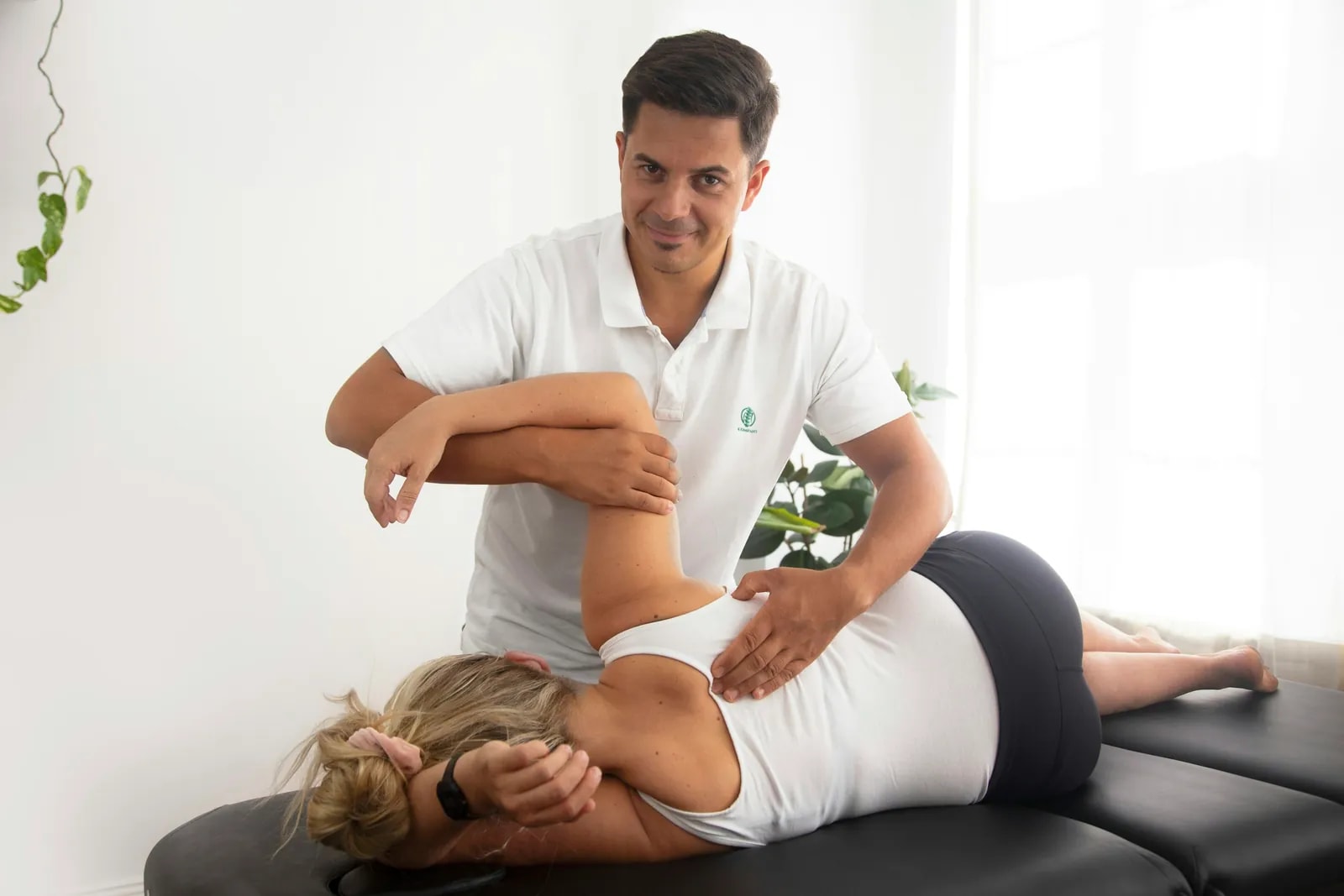
Balance and strength training is at the heart of what we do. Our Memory & Movement Program is a one-to-one, 12-week exercise program for people living with Alzheimer's disease and other forms of dementia, supervised by our Exercise Physiologist at our Concord West clinic. Families and carers are welcome to be part of every step.
To find out more, book an initial assessment online or call us on 0422 785 958.
This article is general information only and is not medical advice. Talk to your GP or treating team about your own situation.
Sources: Dementia Australia, Rehabilitation and physiotherapy for people with dementia and Dementia Research in 2026; healthdirect, Delirium.