
Concord West
Pinnacle Spine & Sports17 Victoria AveConcord West NSW 2138Hours
- Monday to Saturday
- 6 am – 8 pm
Sundays by special appointment
Program
Exercise physiology for people living with Alzheimer's disease and other forms of dementia, to help them stay strong, steady and independent.


Memory & Movement
Living with Alzheimer's disease or another form of dementia can affect much more than memory. Changes in strength, balance, walking and confidence can make everyday things harder, like getting out of a chair, using the stairs or going for a walk.
The MedPhys Memory & Movement Program is a one-to-one exercise program, supervised by our Exercise Physiologist. It is designed to help people living with dementia stay as strong, steady and independent as possible, for as long as possible.
We work closely with each person, their family and carers, and their doctors, so that every session is safe, familiar and achievable.
Why movement matters
Keeping the muscles strong for walking, standing up and moving around.
Steadier balance and safer movement, to help manage the risk of falls.
Practising real tasks, like getting out of a chair, using steps and moving around the home.
Building the energy for walks, outings and the activities they enjoy.
Enjoyable, familiar movement that builds confidence and a sense of achievement.
Simple activities that combine movement and attention, like reaching for coloured targets or walking to music.
Who it's for
Tailored to each person
For people who walk on their own or with a little help, with mild memory or thinking changes. Focus: strength, fitness and balance, with simple movement-and-thinking activities.
For people who need more prompting or help with daily tasks, or whose walking has changed. Focus: familiar routines, everyday movements, supported balance, transfers and walking, with carers involved.
For people with more limited mobility who need physical help. Focus: comfortable movement, supported transfers, keeping the strength they have, and meaningful engagement.
The program at a glance
How it works
We talk through medical history and daily life, then gently check walking, balance, strength, stamina and everyday tasks. Together with the person and their family or carer, we set goals that matter to them.
We build trust, learn what the person enjoys and set up a predictable routine, starting with simple movements and short, easy sets.
We gradually build strength and walking, practise getting in and out of chairs and add safe balance work. We repeat familiar exercises rather than changing things often.
We practise real-life activities, like standing from a chair, carrying light items and stepping around obstacles safely. Simple thinking-while-moving activities are added only when walking and balance stay safe.
We repeat the first checks, explain what has changed and agree on a plan to keep going, with weekly or fortnightly sessions if helpful.
A typical session
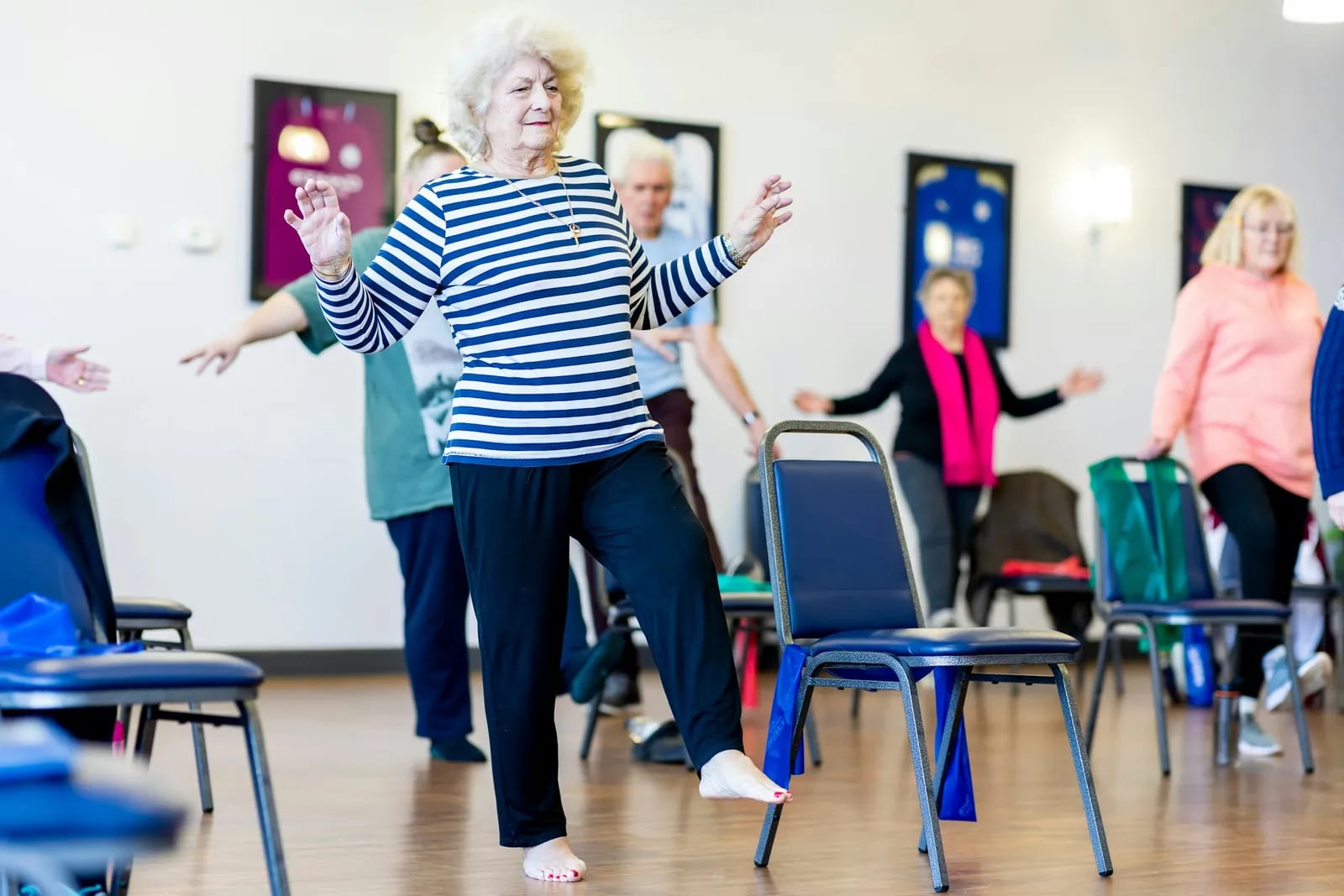
New places, complicated instructions and changes in routine can be hard for someone living with dementia. So we keep things simple and predictable:
The aim is never to test memory or to cause frustration. If an activity isn't working on the day, we change it. Our goal is to make movement safe, meaningful and enjoyable.
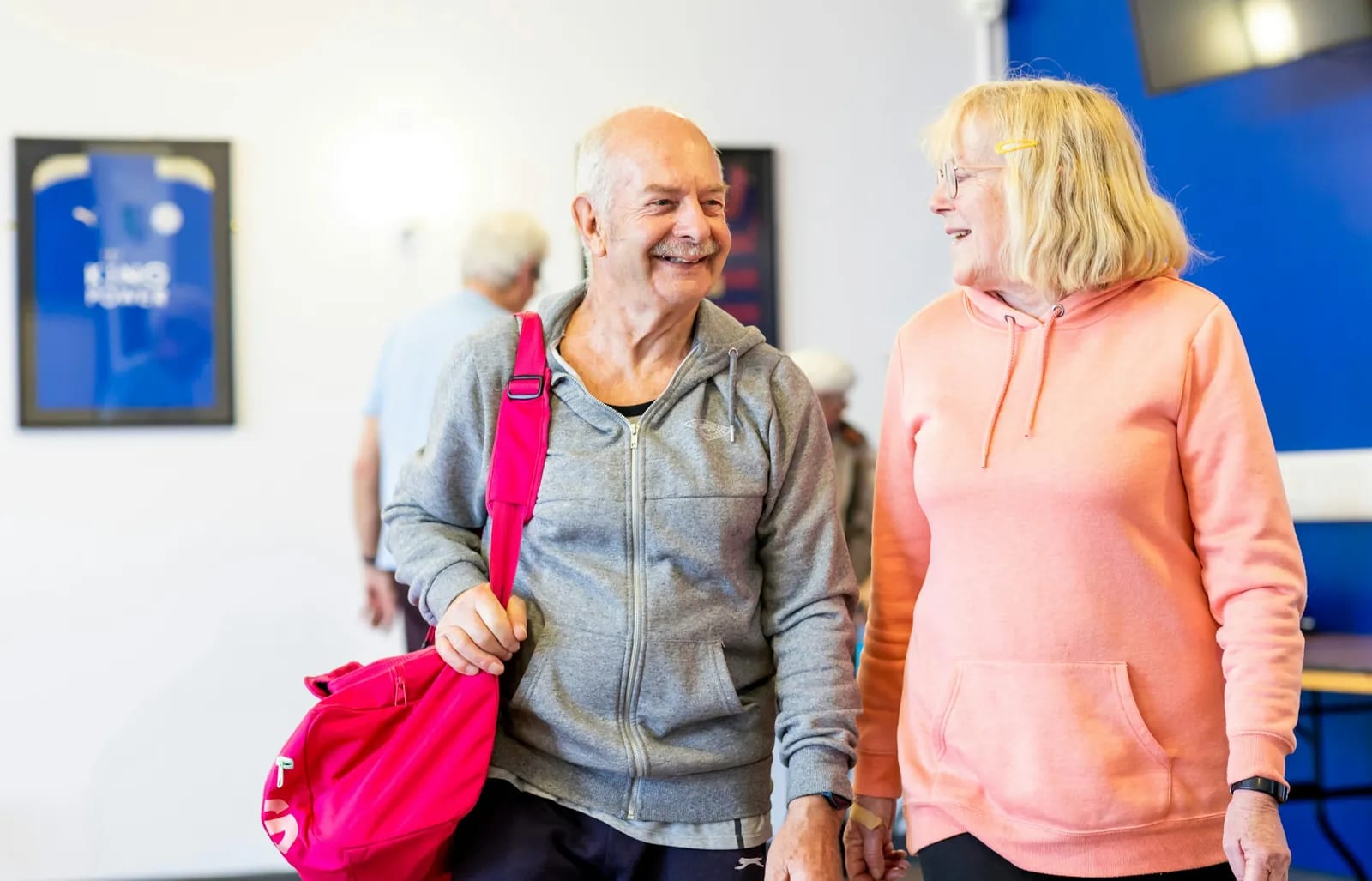
Families and carers are an important part of the team. We will:
We also welcome referrals from GPs, geriatricians, neurologists, memory clinics, and home care and aged care providers.
Funding
Funding rules and approvals vary. Not sure what applies? Call us on 0422 785 958 and we'll talk it through.
From our blog
Exercise won't cure dementia, but tailored, supervised activity can help people keep their strength, balance and independence. Here's what families should know.
Learn more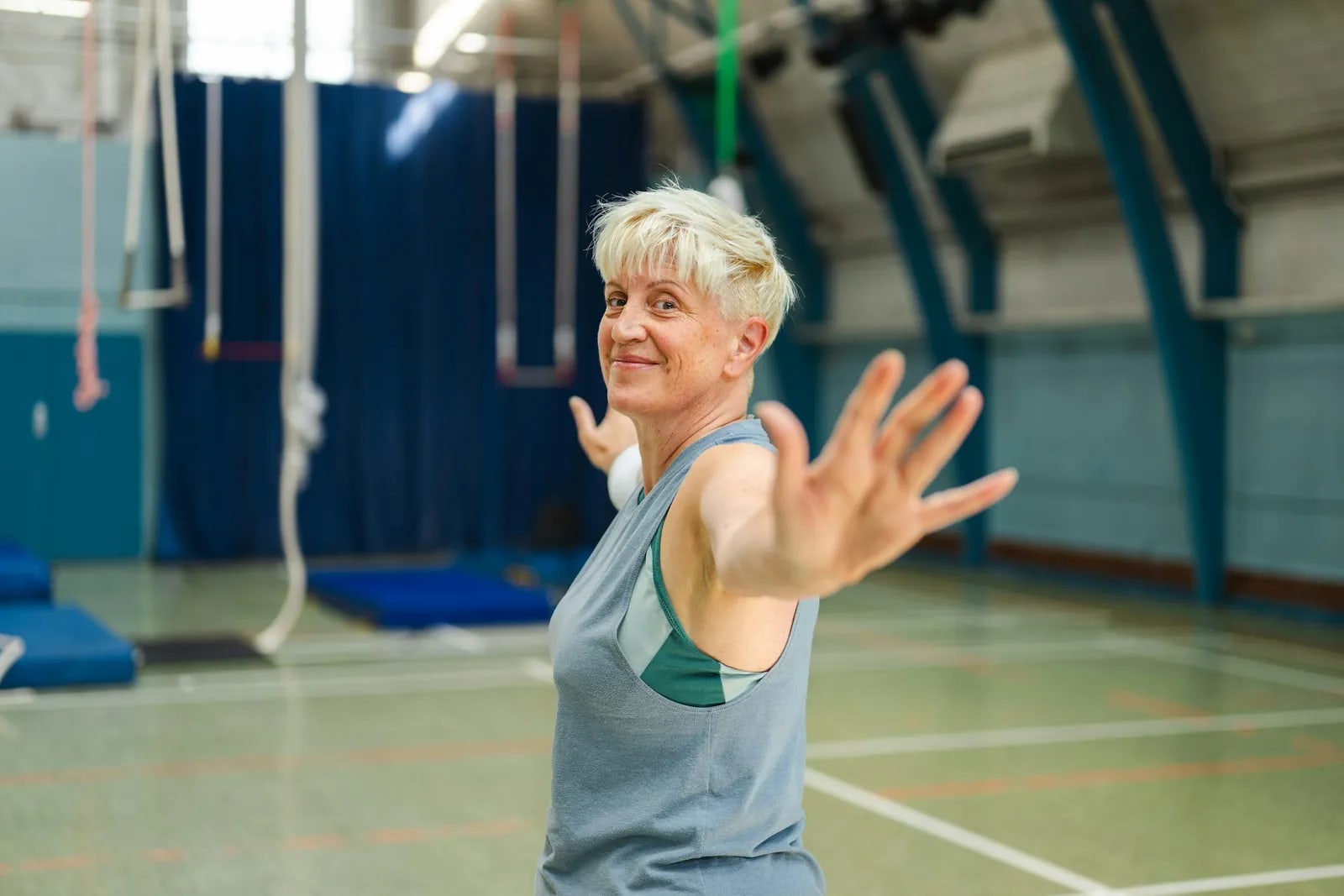
People living with dementia have a higher risk of falls. These practical steps, at home and through exercise, can help them stay steady and safe.
Learn more
Simple, familiar activities, short sessions and a calm routine can help someone living with dementia keep moving. Practical tips for families and carers.
Learn moreFAQs
For most people, yes, when it is tailored and supervised. We start with an assessment, choose the right level of support and adjust every session to how the person is feeling on the day. If there are other medical conditions, talk to the GP before starting.
No. There is no cure for dementia, and the evidence that exercise slows memory decline is mixed. What exercise can do is help people keep their strength, balance and mobility, and support mood, sleep and everyday independence.
Yes. Carers are welcome, and many people feel more at ease with someone familiar nearby. We can also show you simple exercises to do together at home.
Usually 1 to 3 supervised sessions a week, of 30 to 60 minutes, depending on the person's needs, energy and goals. After the first 12 weeks, many people continue weekly or fortnightly.
No referral is needed for private sessions. To use Medicare, you need a GP Chronic Condition Management Plan and a referral from the GP. NDIS and aged care sessions follow the person's plan.
A sudden change in confusion or behaviour can be a sign of delirium, which is a medical emergency. Don't assume it is just the dementia: call triple zero (000) or get urgent medical help.
Hours
Sundays by special appointment
Whether your loved one has recently been diagnosed or is finding everyday movement harder, we're here to help. Book an initial assessment, or call us to talk it through.
Book an appointment
Book online, or tell us what you need and we'll call you back.